Cold Water Kayaking: The 1-10-1 Rule That Actually Matters More Than a Wetsuit
Quick Answer: The 1-10-1 rule: you have about 1 minute to control your breathing after cold-water immersion, about 10 minutes of meaningful muscle function to self-rescue, and about 1 hour before hypothermia becomes critical. Water under 60°F (15°C) is dangerous regardless of how warm the air feels.
It’s 75°F and sunny — perfect kayaking weather by every visible signal. What the air temperature doesn’t tell you is that the lake is still 52°F from spring runoff, and that number is the one that actually determines your safety margin if you capsize.
What is the 1-10-1 rule exactly?
It breaks cold-water immersion into three survival windows:
- 1 minute: cold shock causes an involuntary gasp reflex and rapid breathing — the highest drowning risk window if your face goes underwater during this minute
- 10 minutes: you have meaningful, coordinated muscle function to self-rescue (get back in the kayak, swim to shore) before cold starts shutting down fine motor control
- 1 hour: the rough window before hypothermia becomes life-threatening, though this varies a lot by body size and water temperature
The rule exists because most cold-water deaths happen in the first minute, not from prolonged hypothermia — panic and gasp reflex, not slow freezing.
How do you check if water is actually dangerous?
Air temperature tells you almost nothing. Check:
- Water under 60°F (15°C): cold shock risk is real regardless of air temperature or how fit you are
- Combined air+water under 120°F (using both in Fahrenheit as a rough sum): an old but still-useful paddler’s rule of thumb for when extra precaution is warranted
- Local marine forecasts usually list water temperature separately from air — check both before a spring or fall trip specifically
5 Mistakes People Make in Cold Water Conditions
1. Trusting air temperature. A warm, sunny day tells you nothing about water that’s still winter-cold.
2. Skipping the wetsuit because it “looks warm out.” The 1-10-1 clock doesn’t care what the air feels like.
3. Paddling alone in cold-water season. Self-rescue within the 10-minute window is dramatically harder solo.
4. Not practicing the wet-exit and re-entry beforehand. The first time you try it shouldn’t be in an actual emergency — practice in controlled, warm conditions first.
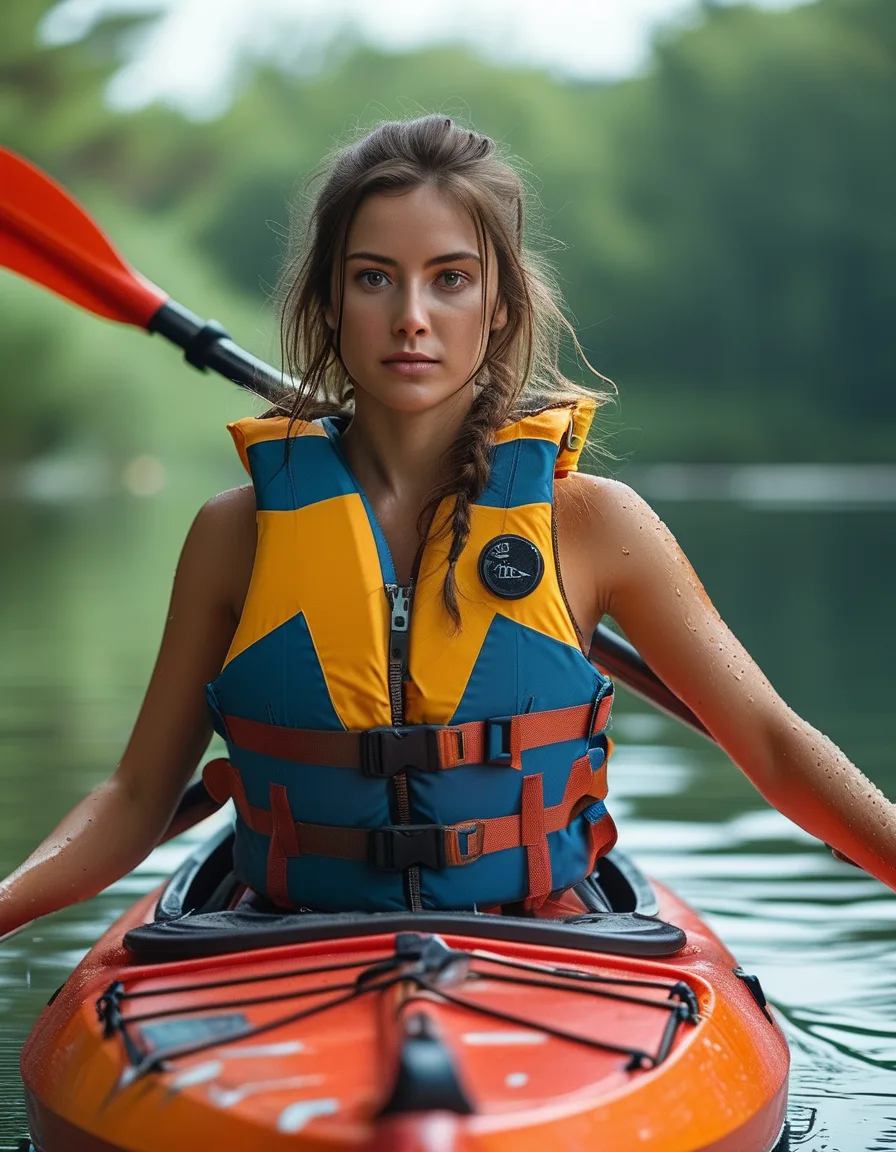
5. Wearing a PFD that’s not properly fitted. A loose PFD can ride up or fail to keep your head clear during the crucial first-minute gasp response.
What should you actually wear and carry?
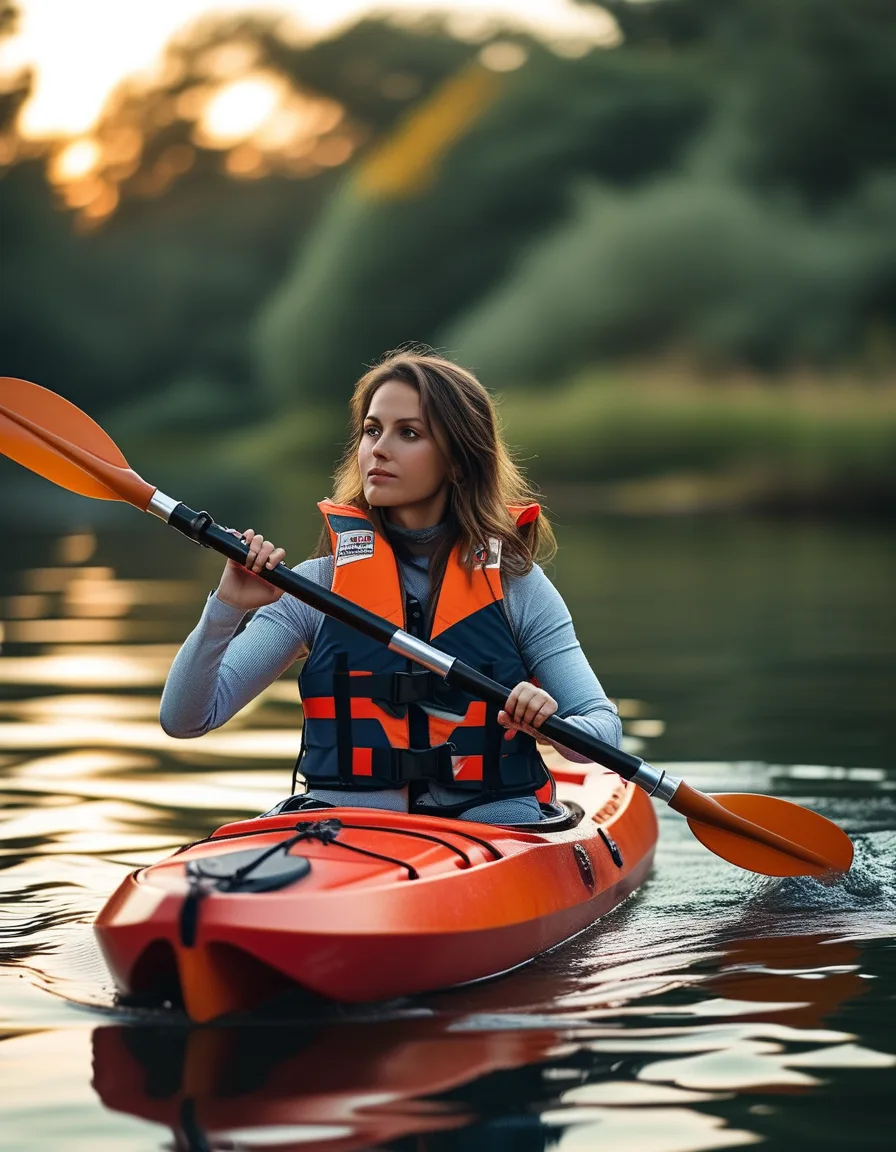
For water under 60°F: a wetsuit or drysuit, not just a light paddling jacket — this is the single biggest safety upgrade available.
Always: a properly fitted PFD worn (not just carried), a whistle, and — critically — tell someone your route and expected return time. Self-rescue skills matter, but a known float plan is what gets help to you if self-rescue fails.
FAQ: Cold Water Kayaking Questions, Answered
At what water temperature should I wear a wetsuit?
Most paddling safety guides recommend one below 60°F (15°C) water temperature, regardless of air temperature or trip length.
Is a life jacket enough without a wetsuit in cold water?
A PFD keeps you afloat but does nothing for cold shock or hypothermia — it addresses drowning risk, not cold-water risk. Both protections matter independently.
How long can you actually survive in 50°F water?
Highly variable by body composition and clothing, but functional swimming ability commonly degrades within 10-30 minutes — which is exactly why the 10-minute self-rescue window in the 1-10-1 rule matters so much.
TL;DR:
- The 1-10-1 rule: 1 minute to control breathing, 10 minutes of usable muscle function, 1 hour before hypothermia turns critical
- Check water temperature separately from air — under 60°F (15°C) means real danger even on a warm day
- Wear a wetsuit or drysuit, not just a jacket, in cold-water season
- Practice wet-exit and re-entry in controlled conditions before you ever need it for real
This is general safety information, not a substitute for a certified cold-water paddling course.
Keep Reading
This article is for general informational and styling purposes only. Fit, sizing, and product availability may vary.