Paddle Fitness: The Off-Water Training That Transforms Your Kayaking
Kayaking looks like arm exercise and is actually a rotation sport — the power comes from the torso twisting against anchored hips — which means the gym work that transforms paddling is core, pull and shoulder durability, not biceps. The paddle-fitness program.
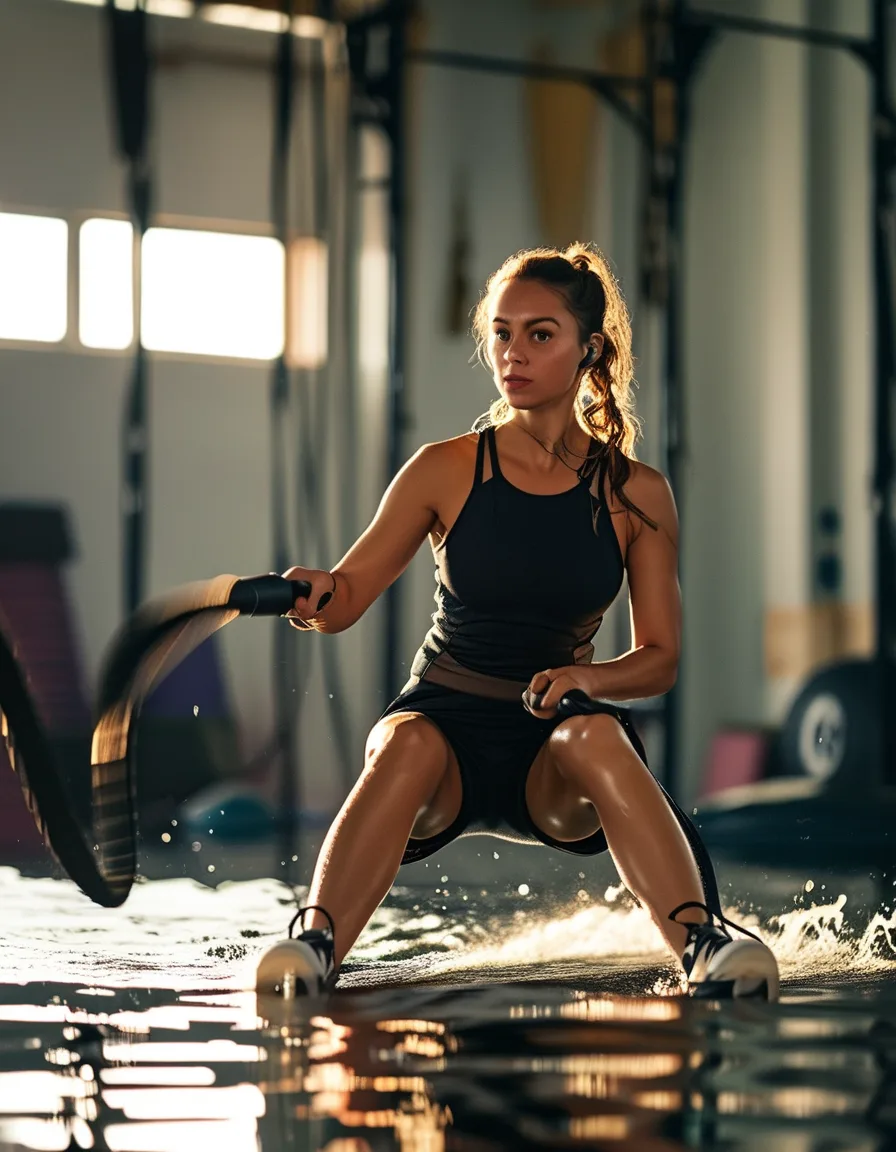
The Demands Analysis
What paddling actually asks: the rotation engine (the stroke powered by torso rotation — the trunk twisting to drag the planted blade; the arms as connectors, per the good-technique doctrine from the beginner chapter), the endurance profile (the hours of repeated submaximal effort — the strength-endurance tier, not max strength; the high-rep and interval training match), the posture demand (the upright-seated hours — the hip flexors and lower back working the whole trip; the sitting-tolerance that desk workers ironically must TRAIN), and the asymmetry watch (the stroke’s alternating rotation being naturally balanced — but the sweep-stroke-heavy and steering habits creating sneaky imbalances; the both-sides audit).
The Core-and-Pull Program
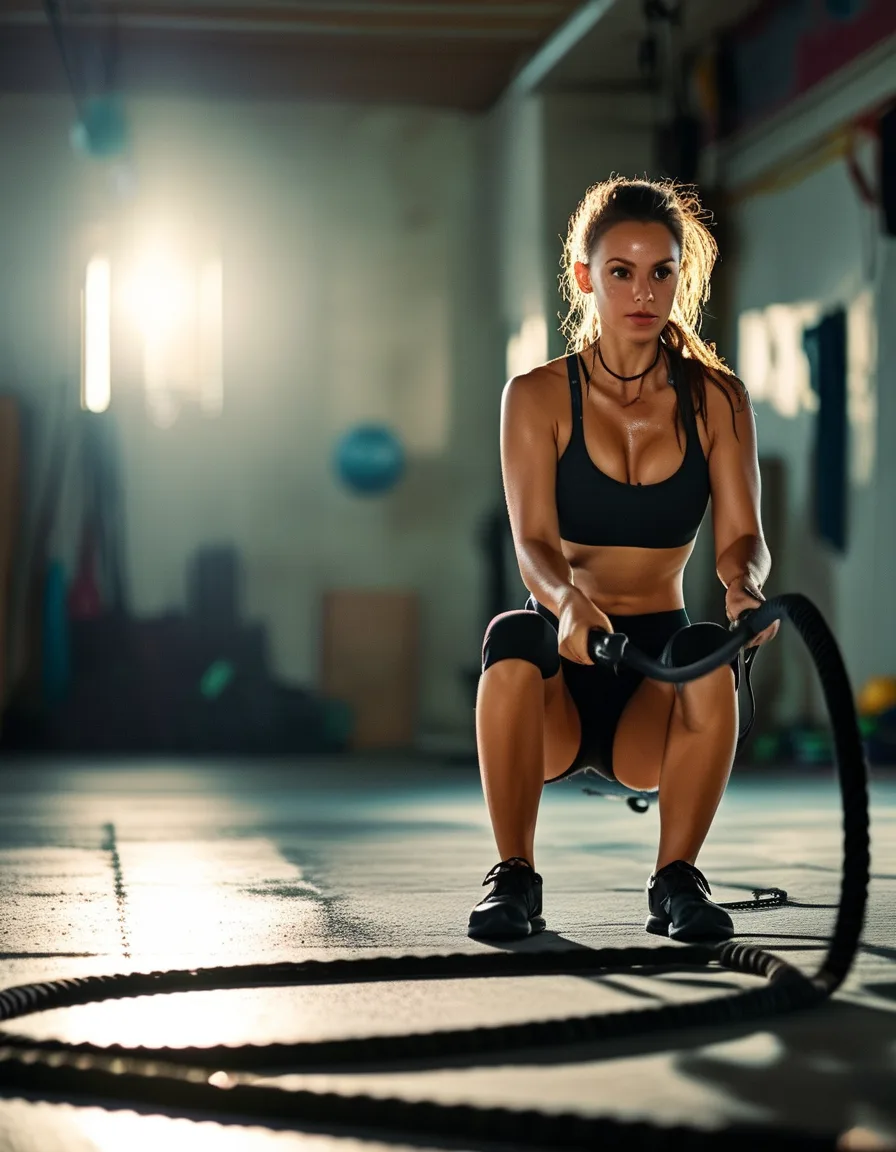
The engine room: the rotation tier (the cable-or-band rotations, the medicine-ball rotational throws — the standing twist patterns that mirror the stroke; the anti-rotation pallof presses building the brakes alongside the gas), the pull emphasis (the rows in every flavor — the single-arm dumbbell row’s rotation bonus; the pull-up progression as the paddler’s benchmark; the pull-to-push ratio at two-to-one per the posture doctrine), the hinge foundation (the deadlift-pattern work — the posterior chain that holds the paddling posture; the hip strength that transfers through the seat), the grip layer (the farmer carries and dead hangs — the forearms that hours of paddle-holding tax; the grip endurance as trip insurance), and the weekly shape (two gym sessions in season, three off-season — the strength built winter-and-spring, maintained summer; the periodization that peaks for paddling months).
The Shoulder-Durability Work
The paddler’s insurance policy: the risk honesty (the shoulder being kayaking’s signature injury site — the repeated overhead-adjacent strokes and the brace moments; the prevention program beating the comeback program per the shoulder chapter), the cuff-and-scap routine (the band external rotations, the scapular push-ups, the wall slides — the ten-minute twice-weekly premium; the same foundation the shoulder-rehab chapter prescribes, taken BEFORE trouble), the mobility maintenance (the thoracic rotation and chest-opening work — the desk-shortened front line that paddling posture fights; the doorway stretch and foam-roller extensions), the technique connection (the fatigue-proof shoulder starting with the torso-driven stroke — the arms-only paddler grinding her cuff; the technique session as injury prevention), and the warning-signs literacy (the pinch that whispers on stroke recovery — the early-signal deload from the pain doctrine; the season saved by the week off).
The Paddling-Specific Extras
Rounding the program: the cardio base (the zone-2 sessions that build the all-day-paddle engine — the rowing machine as the winter paddle-adjacent tool; the swim sessions doubling as safety training), the balance work (the single-leg and instability tier that transfers to boat feel — the wobble tolerance trained on land), the flexibility floor (the hamstrings-and-hips work that makes the kayak seat livable — the long-sit posture unlocked; the forward-fold tolerance as launch-day comfort), the trip-prep periodization (the big-trip training ramped like race prep — the back-to-back long days rehearsed; the multi-day tour entered with the endurance banked), and the transfer promise (the gym paddler arriving at the put-in with power, posture and durable shoulders — the water hours spent enjoying, not surviving; the off-season that shows up in every stroke). Rotate, row, insure the shoulders: the paddle engine, built on land.
Kayaking is a rotation sport — train cable twists, rows at two-to-one over pushes, and the cuff routine as insurance. The winter gym block shows up in every summer stroke.
Keep Reading
This article is for general informational and styling purposes only. Fit, sizing, and product availability may vary.