The Upper Body Strength Prep That Actually Transfers to Kayaking
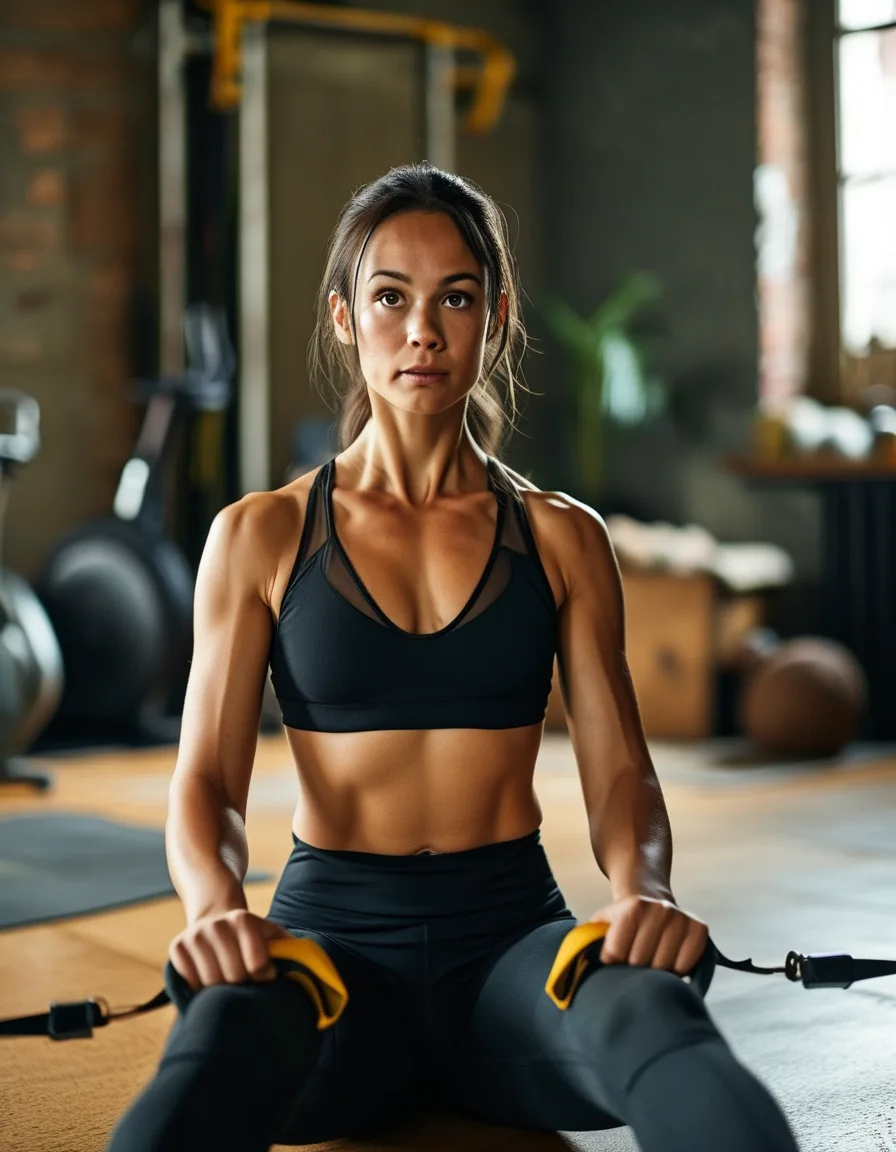
Paddling a kayak looks like an arm workout, but the strength that actually moves the boat comes from the torso and back far more than the biceps most people train for it. Gym prep that ignores this ends up building muscle that doesn’t transfer to the water.
Why Arms Alone Don’t Explain Paddling Power
The real mechanism: the the-torso-rotation-drive (efficient paddling power coming primarily from torso rotation, using the core and back to drive the paddle rather than pulling with the arms alone), the the-arms-as-transmission (the arms functioning more like a transmission connecting the torso’s rotational power to the paddle, rather than the primary power source), the the-common-overtraining-mismatch (many paddlers over-training biceps and shoulders in the gym while under-training the rotational core and back strength that actually drives the stroke).
Exercises That Transfer Well
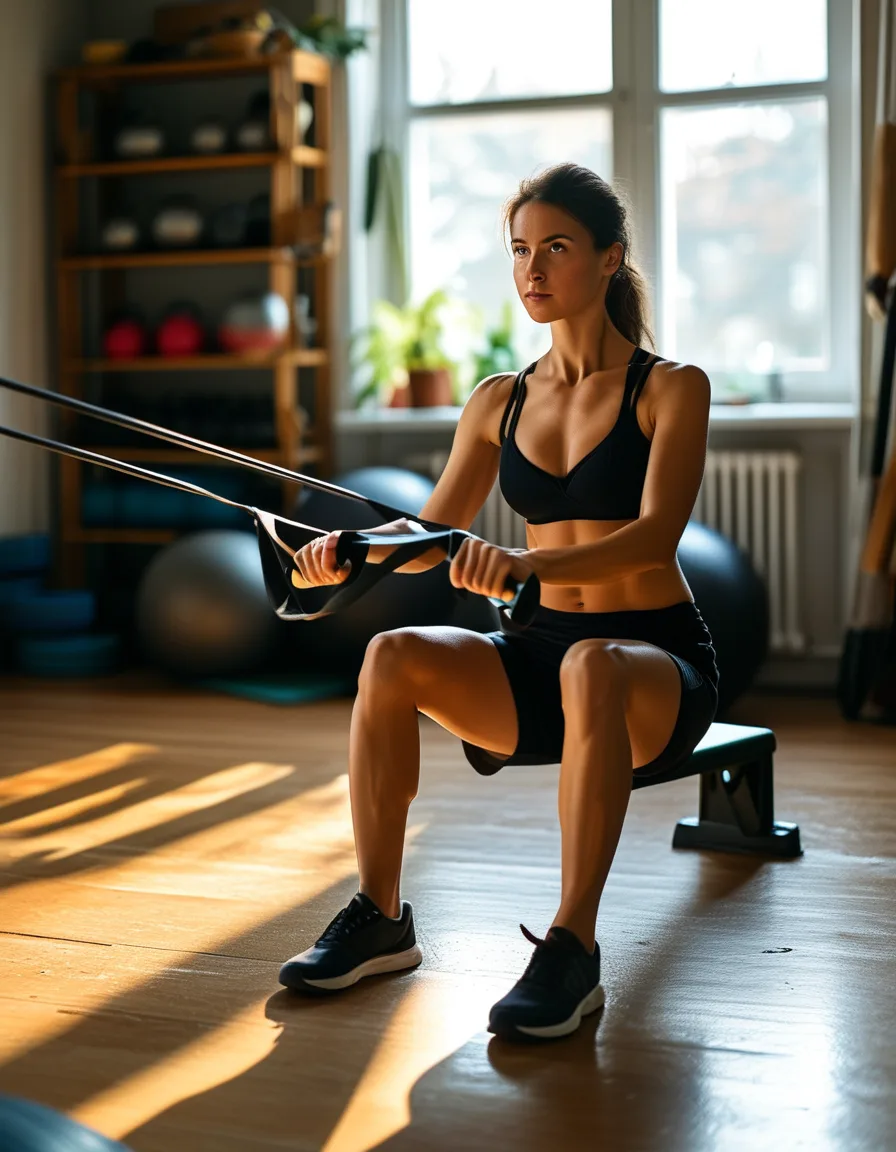
The useful movements: the the-cable-rotation-work (cable or band rotational exercises mimicking the torso twist of a paddle stroke, transferring more directly than isolated arm curls), the the-lat-pulldown-and-rows (lat pulldowns and various rowing movements building the back strength engaged during the pulling phase of a stroke), the the-anti-rotation-core-work (anti-rotation core exercises like pallof presses building the stability needed to transfer power efficiently rather than losing it to a wobbling torso).
Exercises That Transfer Less Than Expected
The lower-value picks: the the-isolated-bicep-curls (bicep curls building visible arm size without meaningfully improving paddling power, since the biceps play a smaller role than assumed in the actual stroke), the the-flat-bench-press (a flat bench press building pushing strength in a plane that doesn’t closely match the rotational, pulling-dominant demands of paddling), the the-machine-based-isolation-work (single-joint machine exercises in general transferring less than compound, rotational, multi-joint movements that better mimic the paddling motion).
Building a Simple Prep Routine
The practical program: the the-two-session-weekly-minimum (two sessions per week focused on rotational core work and back-dominant pulling covering most of what recreational paddling strength prep needs), the the-endurance-over-max-strength (higher rep ranges emphasizing muscular endurance mattering more than heavy, low-rep max strength work, since paddling is a repetitive endurance activity), and the frame (kayak paddling power comes mostly from torso rotation and back strength, not isolated arm work — training rotational and pulling movements transfers far better than a typical arm day.)
The instinct to prepare for kayaking with arm-focused gym work misreads where paddling power actually comes from. An efficient stroke is driven by torso rotation, with the back doing the heavy pulling work and the arms mostly transmitting that rotational force to the paddle rather than generating it independently. That’s why cable rotations, lat pulldowns, rowing movements, and anti-rotation core exercises like pallof presses transfer far more directly to time on the water than isolated bicep curls or a flat bench press, both of which build strength in planes and patterns paddling doesn’t really use. A simple twice-weekly routine built around rotational core work and back-dominant pulling, done at higher rep ranges that favor endurance over maximum strength, covers most of what recreational paddling prep actually needs. The goal isn’t bigger arms by race day, it’s a torso and back that can repeat the same rotational stroke for hours without breaking down.
Keep Reading
This article is for general informational and styling purposes only. Fit, sizing, and product availability may vary.