Kayaking Safety Basics Every Beginner Should Know
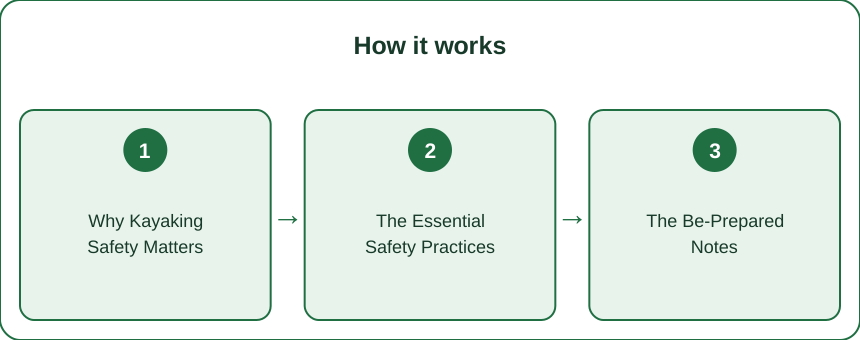
Kayaking is a wonderful, accessible way to get on the water — but like any water sport, it demands respect and some basic safety knowledge. Knowing the essentials keeps your adventures fun and safe. Here is why kayaking safety matters, the essential safety practices, and how to be prepared.
Why Kayaking Safety Matters
Respecting the water: the the-water-demands-respect (the any water activity carrying risks that safety knowledge manages from the beginner logic — the respect-the-water), the the-conditions-can-change (the water and weather conditions changing and needing awareness from the safety logic — the mind-the-conditions), the the-prepared-is-safe-and-fun (the being prepared keeping kayaking safe and enjoyable from the beginner logic — the prepared-is-fun), the the-beginners-need-the-basics (the beginners especially needing the safety fundamentals from the beginner logic — the basics-first), the the-easy-to-learn-safely (the kayaking being easy to enjoy safely with the basics from the beginner logic — the safe-and-accessible), and the reframe (the kayaking safety as respecting the water with basic knowledge — keeping your adventures fun and safe, especially as a beginner).
The Essential Safety Practices
Kayaking safely: the the-always-wear-a-life-jacket (the always wearing a properly-fitted life jacket from the safety logic — the wear-the-pfd), the the-check-conditions-and-weather (the checking water conditions and weather before going out from the safety logic — the check-conditions), the the-start-on-calm-water (the beginning on calm, sheltered water from the beginner logic — the calm-water-first), the the-learn-basic-skills (the learning basic paddling and how to handle a capsize from the paddling-technique logic — the the-basic-skills), the the-do-not-go-alone-when-learning (the paddling with others or where help is available when learning from the safety logic — the not-alone-learning), the the-tell-someone-your-plan (the telling someone your route and expected return from the safety logic — the share-your-plan), the the-dress-for-the-water (the dressing for the water temperature, not just the air from the safety logic — the dress-for-the-water), and the the-know-your-limits (the staying within your skill and conditions limits from the safety logic — the know-your-limits).
The Be-Prepared Notes
Preparing for the water: the the-right-gear-and-pfd (the the right kayak, paddle and life jacket from the buying-vs-renting logic — the the-right-gear), the the-pack-essentials-and-safety-items (the packing water, safety items and essentials from the day-trip-packing logic — the pack-essentials), the the-know-how-to-handle-a-capsize (the knowing what to do if you capsize from the paddling-technique logic — the the-capsize-plan), the the-check-the-forecast (the checking the weather and water forecast from the safety logic — the check-the-forecast), the the-build-skills-gradually (the building skills and progressing conditions gradually from the beginner logic — the progress-gradually), the the-take-a-lesson-or-go-guided (the a lesson or guided trip to learn safely from the beginner logic — the learn-guided), the the-sun-and-hydration (the sun protection and hydration on the water from the day-trip-packing logic — the sun-and-water), and the frame (the kayaking safety as always wearing a life jacket, checking conditions, starting on calm water and knowing basic skills, prepared with the right gear and a plan — safe, fun adventures on the water. Wear a PFD, check conditions, start calm, learn the basics, tell someone your plan, and build skills gradually).
Kayaking is a wonderful, accessible way to get on the water — but like any water sport, it demands respect and some basic safety knowledge. Safety matters because water demands respect, conditions can change, being prepared keeps it fun, beginners need the basics, and kayaking is easy to enjoy safely with them. The essential practices: always wear a properly-fitted life jacket, check conditions and weather, start on calm sheltered water, learn basic paddling and how to handle a capsize, do not go alone when learning, tell someone your plan, dress for the water temperature, and know your limits. Be prepared with the right gear and PFD, packed essentials and safety items, a capsize plan, checking the forecast, building skills gradually, taking a lesson or guided trip, and sun protection and hydration. Safe, fun adventures on the water.
Keep Reading
This article is for general informational and styling purposes only. Fit, sizing, and product availability may vary.