Why Your Kayak Suddenly Feels Tippier the Moment the Water Gets Choppy
Quick Answer: Kayak stability comes in two forms — primary stability (how steady it feels sitting flat) and secondary stability (how well it resists tipping once it’s leaned or hit by a wave) — and choppy water specifically tests secondary stability, which most paddlers never practice on calm water. The fix is deliberately practicing controlled leans and edging in mild chop, not avoiding it.
Your kayak feels glued to a calm lake and suddenly twitchy the moment small waves start hitting the hull at an angle. It’s not your kayak getting less stable — it’s a different kind of stability being tested for the first time.
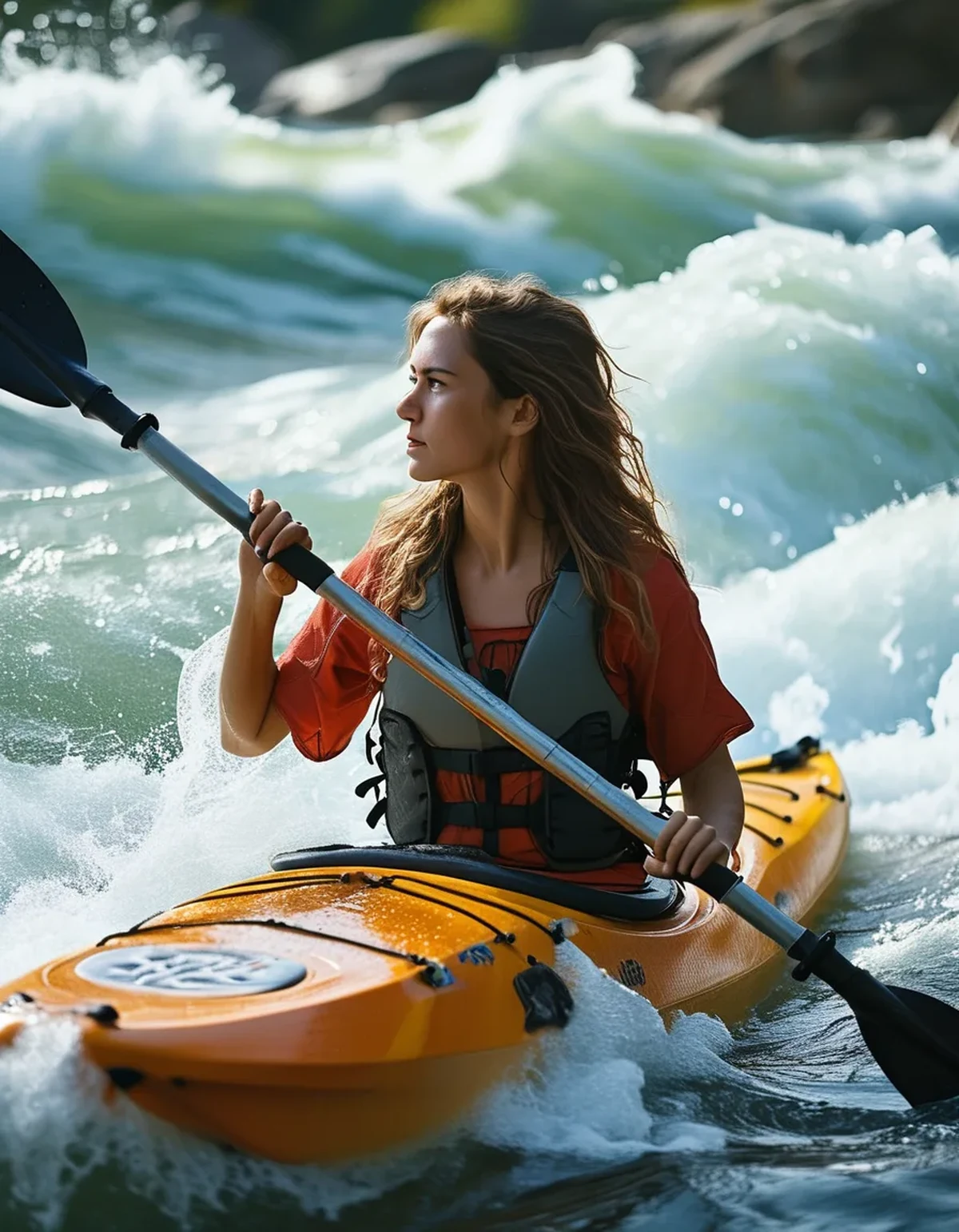
What’s actually different about how chop tests your kayak versus calm water?
On calm water, you’re mostly relying on primary stability — how the hull sits flat and resists tipping from a resting position. Chop introduces constant small angle changes as waves hit the hull unevenly, which instead tests secondary stability — how the kayak (and you) respond once it’s already leaning slightly, which is a completely different skill and feel.
Most paddlers spend all their practice time in calm water building comfort with primary stability and never actually train the secondary stability that chop demands.
Can you actually train secondary stability before you need it in real conditions?
Yes — deliberately leaning the kayak to one side on calm water and holding the edge, then paddling short strokes while edged, builds the same balance response chop requires, without the unpredictability of real waves. This is a controlled way to practice the exact reflex that panics people the first time a wave hits them sideways.
Starting this in calm, shallow water with a partner nearby lets you build the skill safely before you’re relying on it in conditions that also involve wind and current.
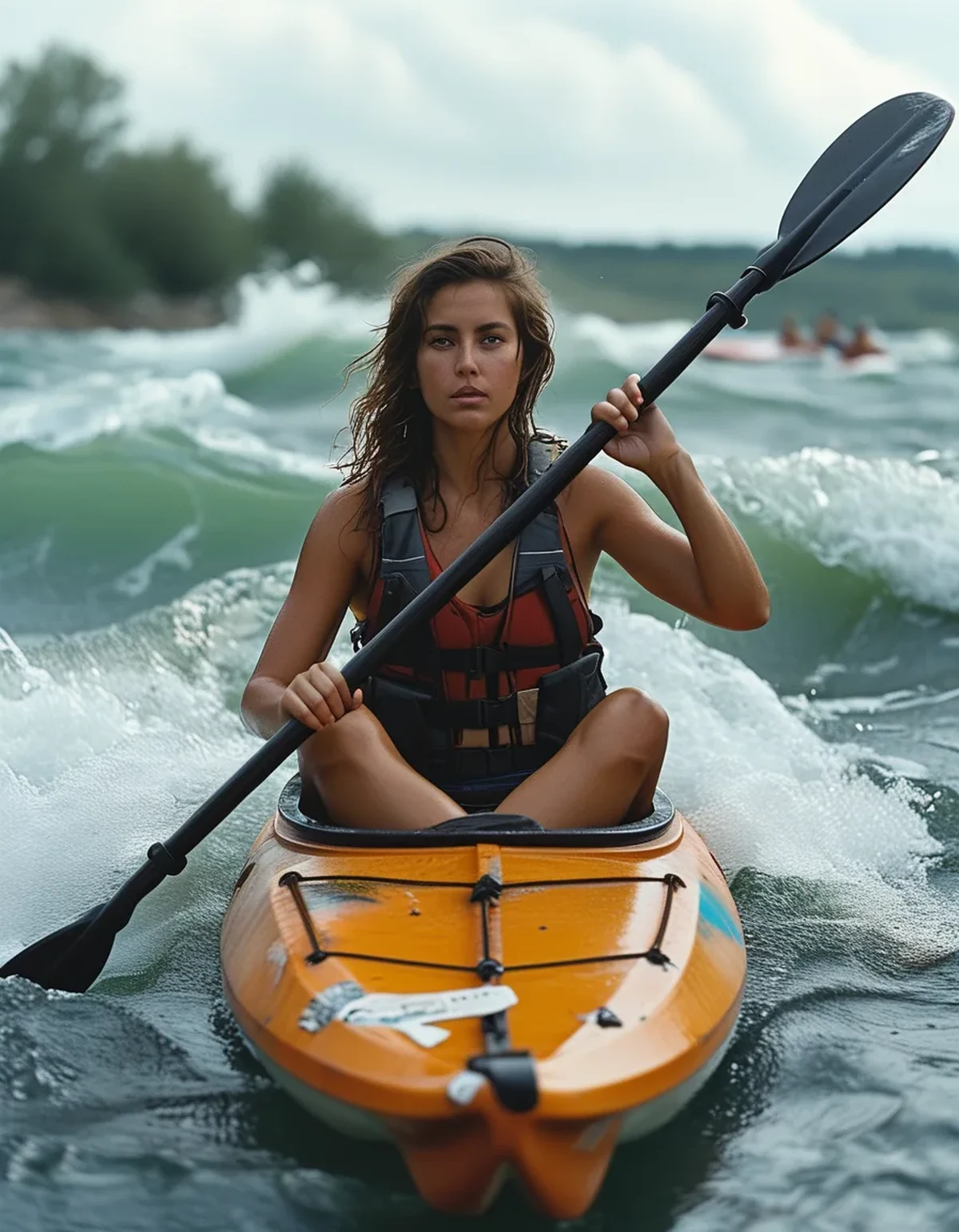
Does paddle technique change anything in choppy conditions?
Yes — a slightly wider, lower paddle stroke provides more of a bracing effect against the water, which helps counteract the instability chop introduces, compared to the higher, narrower stroke that works fine on flat water. Many paddlers unconsciously tense up and shorten their stroke in chop, which actually reduces the stabilizing brace effect right when they need it most.
Practicing a deliberate low brace stroke (paddle blade flat against the water surface for support) on calm water gives you a reflex to fall back on when a wave catches you off guard.
What Nobody Tells You About Kayak Stability
Nobody tells you that feeling ‘tippy’ in chop is often your body correctly sensing something real, not overreaction — the kayak genuinely requires more active balance input in that moment than it does on flat water. The goal isn’t to feel like nothing changed; it’s to have trained reflexes ready for when it does.
Experienced paddlers don’t feel less movement in chop than beginners do — they’ve just trained the automatic corrections so the movement doesn’t translate to panic or capsize.
FAQ: Kayak Stability in Chop, Answered
Is a wider kayak always more stable in chop?
A wider hull generally has more primary stability, but secondary stability in chop depends more on hull shape and paddler skill than width alone.
How do I practice edging safely for the first time?
Start in calm, waist-deep water with a partner present, lean gradually, and practice recovering — this builds the reflex without real capsize risk from waves or current.
Should beginners avoid choppy water entirely?
Mild chop in a controlled, supervised setting is actually a good place to start building secondary stability skills before facing it unplanned on open water.
TL;DR:
- Calm water tests primary stability; chop specifically tests a different skill, secondary stability
- Deliberately practicing edging and leaning on calm water trains the reflex chop demands
- A low, wide bracing stroke counters instability better than a narrow flat-water stroke
- Feeling more active movement in chop is normal and correct, not a sign something’s wrong
Your kayak isn’t less stable in chop — it’s asking for a skill most paddlers never deliberately practice, and that skill responds quickly once you actually train it.
Keep Reading
This article is for general informational and styling purposes only. Fit, sizing, and product availability may vary.